
Discover how more than 140 years of expertise, quality, and passion for sleep helped shape America’s #1 Mattress Brand.*
Discover how more than 140 years of expertise, quality, and passion for sleep helped shape America’s #1 Mattress Brand.*
— by Sealy on Jul 27, 2026
Sleep procrastination is the habit of delaying bedtime to gain extra personal time, even when you know it may leave you feeling tired the next day. Researchers have described sleep procrastination as a self-regulation challenge in which people voluntarily postpone going to bed despite expecting negative consequences the following day (Kroese et al., An Exploratory Study on Sleep Procrastination, National Library of Medicine, 2014).
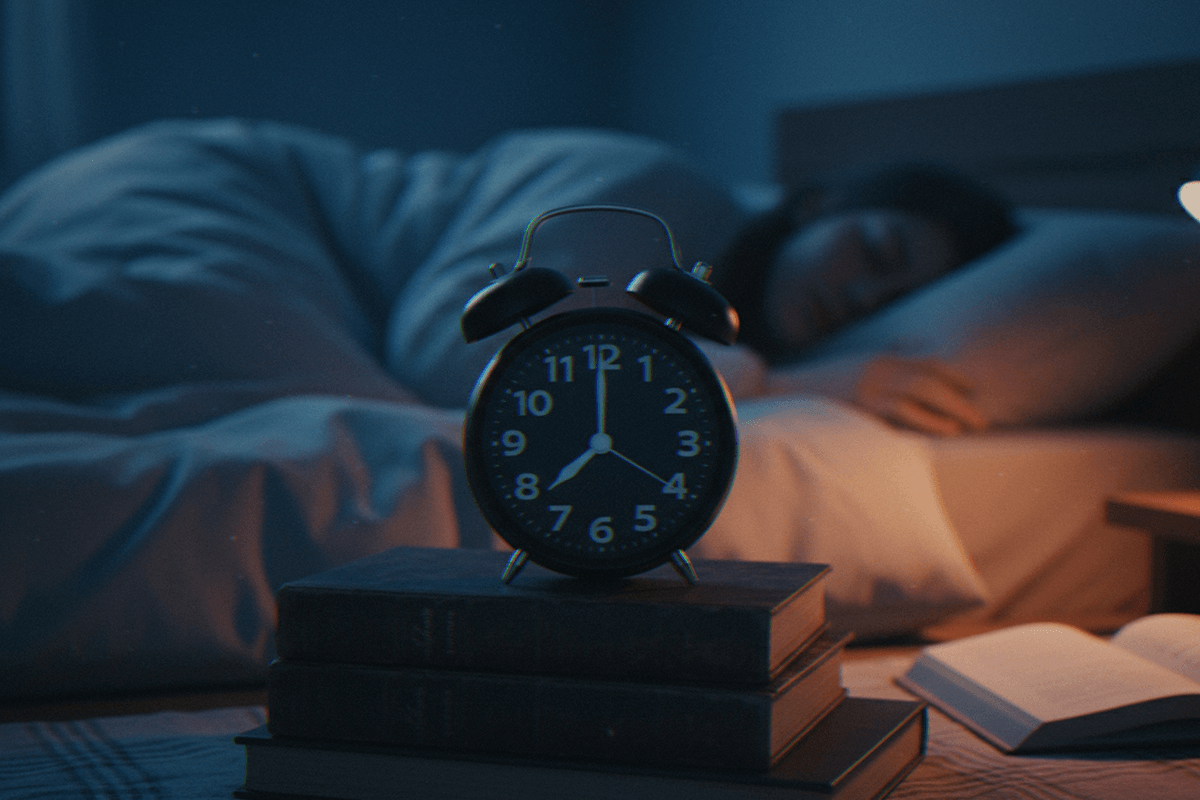
People may delay bedtime because they feel they have not had enough personal time during the day. Others stay awake to watch TV, browse social media, play games, or finish tasks. Researchers sometimes refer to this behavior as "revenge bedtime procrastination," a pattern in which people sacrifice sleep to regain a sense of free time and control over their schedule. Consistently getting too little sleep may also affect mood, daily energy levels, and overall well-being, according to guidance from Cleveland Clinic's overview of sleep deprivation (Cleveland Clinic, Sleep Deprivation: What It Is, Symptoms, Causes and Treatment).
Keep a Consistent Bedtime
Try to go to bed and wake up at the same time each day, even on weekends. A consistent sleep schedule can help support your body's natural sleep-wake cycle, making it easier to fall asleep when bedtime arrives.
Cut Back on Late-Day Caffeine
That late-afternoon coffee or energy drink may make it harder to wind down at night. If falling asleep is a struggle, limiting caffeine later in the day may help you maintain a more consistent bedtime.
Put Away Screens Before Bed
Phones, tablets, and TVs can make it easy to stay up longer than planned. Setting screens aside 30 to 60 minutes before bed can help reduce distractions and create a calmer transition into sleep. Sleep experts note that electronic devices can interfere with healthy sleep habits by encouraging mental stimulation and delaying bedtime (Sleep Foundation Editorial Team, How Electronics Affect Sleep, Sleep Foundation).
Build a Relaxing Bedtime Routine
A simple bedtime routine can signal to your body that it's time to slow down. Reading, light stretching, meditation, a warm bath, or guided breathing exercises can help you transition into a more restful state of mind.
If you often stay up late to reclaim a little personal time, you're not alone. Sleep procrastination is common, but small changes to your routine may help you get to bed earlier and enjoy more consistent sleep.
What is revenge bedtime procrastination?
Revenge bedtime procrastination is a type of sleep procrastination in which people stay up late to regain personal time they feel was limited during the day. This often happens after busy days filled with work, family responsibilities, or other obligations.
Is sleep procrastination the same as insomnia?
No. Sleep procrastination happens when someone delays going to bed even though they have the opportunity to sleep. Insomnia is a sleep disorder that can make it difficult to fall asleep, stay asleep, or get restful sleep despite having enough time for sleep.
How can I stop sleep procrastination?
Keeping a consistent sleep schedule, limiting late-day caffeine, reducing screen time before bed, and following a relaxing bedtime routine can help make it easier to go to bed on time.
Sources
Kroese, F. M., de Ridder, D. T. D., Evers, C., & Adriaanse, M. A. An Exploratory Study on Sleep Procrastination: Bedtime Procrastination as a Self-Regulation Problem. National Library of Medicine (PMC). https://pmc.ncbi.nlm.nih.gov/articles/PMC7460337/
Cleveland Clinic. Sleep Deprivation: What It Is, Symptoms, Causes and Treatment. Cleveland Clinic. https://my.clevelandclinic.org/health/diseases/23970-sleep-deprivation
Sleep Foundation Editorial Team. How Electronics Affect Sleep. Sleep Foundation. https://www.sleepfoundation.org/how-sleep-works/how-electronics-affect-sleep
You’re using an unsupported web browser.
A list of the most popular browsers can be found below. Just click on an icon to visit the download page.
Your phone or tablet is using software unsupported by our website. To improve your shopping experience, please update your device to the latest version of iOS or Android OS.


