
Discover how more than 140 years of expertise, quality, and passion for sleep helped shape America’s #1 Mattress Brand.*
Discover how more than 140 years of expertise, quality, and passion for sleep helped shape America’s #1 Mattress Brand.*
— by Sealy on Jul 28, 2026
The Zero-G position is a preset available on many adjustable bed bases that raises both the upper body and legs. Inspired by neutral body posture research, this position creates a more balanced sleeping or resting posture by distributing body weight across a larger surface area.
Zero-G positioning is a preset available on many adjustable bed bases that elevates the upper body and lower body simultaneously. The position creates a gentle, semi-reclined posture intended to help support the body's natural alignment during rest.
The concept is inspired by observations of neutral body posture (NBP), a position researchers observed when studying how the body naturally settles in microgravity environments. In this posture, the body assumes slight bends at the hips and knees while reducing concentrated stress on specific areas.
An adjustable base creates the Zero-G position by raising multiple sections of the bed.
Typically, the preset includes:
This articulated design allows the mattress and base to work together to support the body's natural curves.
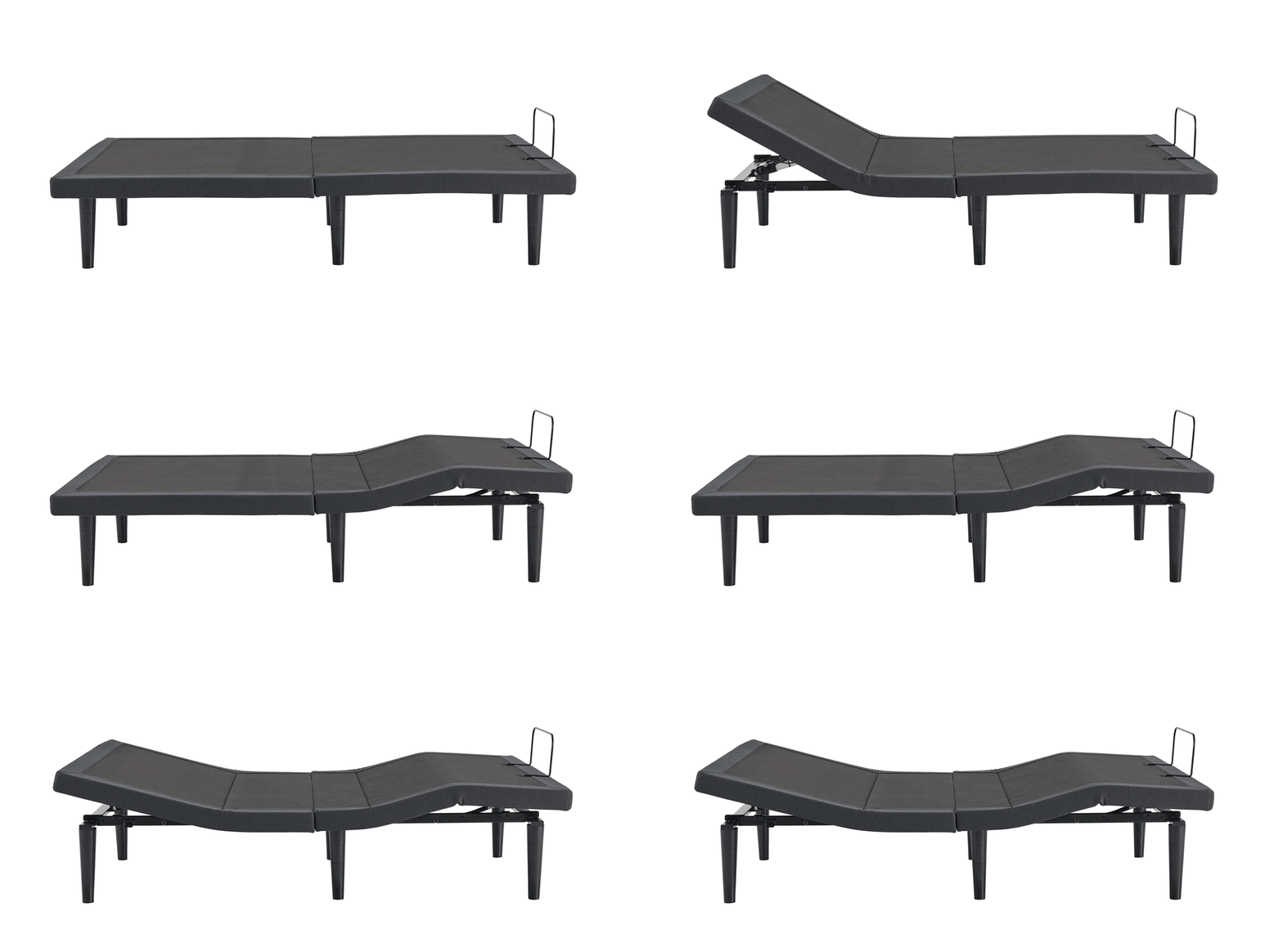
The term "Zero-G" refers to the sensation of reduced pressure and support demands that many people associate with the position.
While sleeping in a Zero-G position does not recreate outer-space conditions, the arrangement draws inspiration from research into neutral body posture conducted through aerospace and biomechanics studies.
When the body is properly supported in a semi-reclined position, weight can be distributed more evenly across the sleep surface compared to a completely flat position.
Many people choose the Zero-G setting because they find the position comfortable for reading, relaxing, watching television, or sleeping.
More Balanced Support
Elevating both the upper and lower body creates multiple points of support. Instead of concentrating weight in a few areas, body weight is distributed over a larger surface area.
Pressure-mapping and ergonomic research have shown that multi-angle support surfaces can influence how body weight is distributed across a mattress.
As a result, some sleepers find that Zero-G positioning feels more supportive than lying completely flat.
Many people enjoy a slight incline while resting. The combination of elevated head and leg sections creates a posture that can feel naturally supported for extended periods.
Many sleepers find the Zero-G position comfortable because it supports the body in a balanced, elevated posture.
However, comfort is highly personal.
Factors that may affect preference include:
Because adjustable bases allow customization, users can often modify the preset position until they find the setting that feels best for them.
Ergonomics focuses on supporting the body in ways that reduce unnecessary strain and encourage natural posture. In an adjustable bed system, the goal is to help the body rest with balanced support while reducing the need for unnecessary effort to maintain posture.
Zero-G positioning incorporates several ergonomic principles:
The human body is not completely flat. The spine contains natural curves, while the shoulders, hips, and legs each place different demands on a sleep surface.
When lying on a flat mattress, these areas may carry a larger percentage of body weight. Zero-G positioning changes the body's orientation by elevating both the upper and lower body, allowing support to be distributed across multiple regions at the same time.
This can create a posture that many sleepers perceive as more balanced and supported.
Body weight is rarely distributed evenly while sleeping. Certain areas—such as the shoulders, lower back, hips, and legs—often experience greater pressure than others. By supporting the torso and legs simultaneously, the body can spread body weight across a larger contact area of the mattress. This more balanced distribution may reduce the feeling of concentrated pressure and contribute to a more comfortable sleep environment.
Even while resting, muscles perform small adjustments to help maintain body position and stability.
When the body is supported in a balanced position, less effort may be required to maintain posture. Many people find that a fully supported, semi-reclined position feels relaxing because the adjustable base helps support multiple body segments simultaneously.
The Zero-G setting may appeal to people who:
Many adjustable-base owners use the Zero-G preset regularly. Because comfort preferences vary between individuals, the best sleeping position is ultimately the one that feels most comfortable and supportive to you.
Adjustable bases are designed to provide flexibility, allowing users to switch between flat, inclined, and Zero-G settings as desired.
Although Zero-G is one of the most popular presets, many adjustable bases also include:
These features allow sleepers to create a personalized comfort experience.
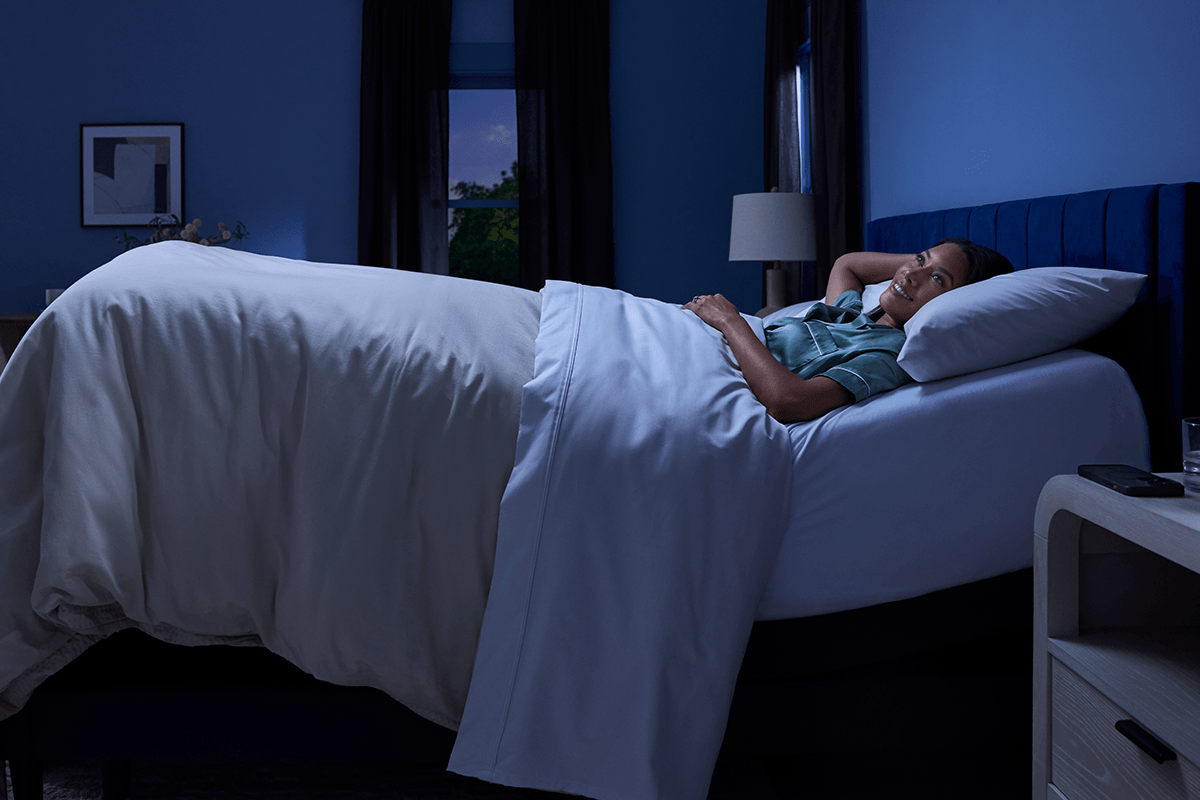
Zero-G is an adjustable bed preset that elevates both the head and legs to create a balanced, supported resting posture.
Yes. Most Zero-G presets elevate the upper body and the lower body simultaneously.
Many people do, although comfort preferences vary from person to person.
No. The Zero-G position uses elevation to create a semi-reclined posture rather than a completely flat sleep surface.
Not all models include a dedicated Zero-G preset; however, the Sealy Ease® Adjustable Base is equipped with the feature.
You’re using an unsupported web browser.
A list of the most popular browsers can be found below. Just click on an icon to visit the download page.
Your phone or tablet is using software unsupported by our website. To improve your shopping experience, please update your device to the latest version of iOS or Android OS.


